
En la mayoría de los casos las enfermedades de los olivos son producidas por: hongos, bacterias y virus. Los hongos, no pueden elaborar sus propios azúcares por la ausencia de clorofila, por lo que tienen que parasitar plantas vivas o materia orgánica muerta (como las hojas del olivo cuando caen al suelo) Las bacterias, suelen atacar más a animales y al hombre. En la agricultura son muy difíciles de erradicar, ya que los antibióticos son muy caros, y lo mejor que se puede hacer es prevenir a los olivos contra ellas. La palabra virus significa "jugo venenoso", son parásitos de un tamaño mínimo, y atacan sobre todo a superficies herbáceas.
Las principales enfermedades que suelen afectar al olivo son:
- Repilo del olivo: su nombre común es Cycloconium oleaginym Cas, ya que esta enfermedad es producida por el hongo Cycloconium oleaginum. Uno de los síntomas más característicos es la aparición de manchas circulares en el haz de la hoja de color oscuro, negras o grises. Posteriormente estas manchas se vuelven de un color amarillento y al finalizar la primavera las hojas se caen, se produce una defoliación, sobre todo en las zonas bajas del olivo, por lo que el árbol se debilita, y puede disminuir su producción.
El agricultor suele utilizar dos tratamientos, uno que se da al final del verano o principio del otoño y otro al final del invierno (hay que procurar que los tratamientos se hagan antes de las lluvias de final de verano o de principio de otoño) También es recomendable que el olivo esté bien aireado y se intente reducir la condensación, haciendo podas donde el árbol no quede muy poblado.
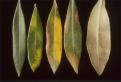
En estas hojas de olivo podemos observar las manchas que se producen por la enfermedad del repilo
Algunos de los productos más usados en los tratamientos son: Caldo Bordelés, Oxido cuproso, Oxicloruro de Cobre, Ziram, Oxicloruro de Cobre y Zineb, , Captan, Captafol, Benomilo, etc.
- Verticilium: esta enfermedad suele aparecer en olivares intensivos, rara vez en olivares tradicionales. Lo que ocurre es que se taponan los vasos conductores por lo que los brotes y ramas secundarias del olivo se marchitan, incluso alguna vez las principales. Las hojas no tienden a caer, pero se doblan para dentro y las ramas mueren. El hongo se encuentra en el suelo y penetra en la raíz del árbol donde empieza a desarrollarse.
Hay algunas plagas como el barrenillo o el taladro que pueden ser confundidas con esta enfermedad. Para prevenir la enfermedad debemos procurar no regar en abundancia, intentar localizar el olivo afectado, sacarlo de raíz y no tapar el hoyo hasta un año después como mínimo.
- Aceituna jabonosa o Antracnosis: el hongo característico de esta enfermedad (Deuteromiceto) actúa contra la oliva, aunque también en ocasiones ataca a las hojas, brotes y madera. También es conocida como lepra, vivo o momificado. Se suele desarrollar en zonas húmedas del sur y noreste peninsular, llegándose a perder hasta el 40% de la cosecha, además incide en la calidad del aceite de oliva. Presenta dos síntomas:
° la podredumbre y momificado de los frutos, de aquí aceituna jabonosa. Este síntoma es el más característico de los dos. Los indicios de la enfermedad se pueden observar en los frutos verdes, pero es más normal que se vea en la maduración, al cambiar el color. Los frutos se van pudriendo y deshidratando, por lo que su aspecto queda arrugado.
° la defoliación y desecación de ramas, se presenta solo en ramas con un alto número de olivas afectadas. Las hojas se secan y se marchitan, se caen del olivo, se van secando las ramas, y el olivo se empieza a debilitar.
Para su tratamiento es recomendable usar productos que contengan cobre. Estos tratamientos son preventivos, cuando veamos que algún olivo está dañado debemos actuar, y en caso de lluvias repetir otra vez el proceso.
- Escudete: esta enfermedad actúa sobre la aceituna. Se forman manchas circulares de color oscuro, la forma es parecida a un escudete (de ahí su nombre) Está poco extendida por lo que se han hecho pocos estudios sobre los tratamientos, pero se recomienda actuar igual que con la aceituna jabonosa. Produce alteraciones en el aceite de oliva, aumentando su acidez, alguna vez aparecen sabores extraños.
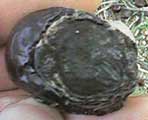
Podemos observar la mancha con forma de escudete que se forma en la aceituna
- Tuberculosis o verrugas del olivo: producida por una bacteria de la rama de las Eubacterias. Ésta se introduce en el olivo a través de alguna herida (causada por heladas, granizo, golpes...) por lo tanto no es recomendable usar el vareo como técnica de recolección, ya que le produce muchas heridas (la mejor opción es la utilización del vibrador o sino manualmente) Se caracteriza por la aparición de tumores principalmente pequeños, pastosos, tersos y con un tono verdoso. Luego tienden a curtirse, cuartearse y arrugarse. Estos tumores pueden llegar a alcanzar el tamaño de una avellana. Si el ataque es muy fuerte puede provocar un debilitamiento y secado de algunas ramas. Éstos olivos producen olivas de baja calidad, y muchas veces caen al suelo (por su escasa nutrición) Los aceites de oliva en ocasiones suelen tener sabores extraños.
Hay que decir que una vez el árbol está afectado es muy difícil y costoso curarlo. Pero se pueden seguir algunos consejos como podar los olivos afectados por la enfermedad, para que la bacteria no llegue a los olivos sanos, además todos los instrumentos que se vayan a utilizar en la poda tienen que desinfectarse con disoluciones de sulfato de hierro.
- Tumores o agallas del cuello: esta enfermedad está provocada por la bacteria Agrobacterium tumefaciens. Suele influir más en los olivos jóvenes. Los síntomas que nos indican la enfermedad son la aparición de bultos o "tumores" por la parte donde se bifurca el tallo de las raíces. Esto impide la correcta circulación de la savia, y el olivo muere, aunque suele tardar dos o tres años. Hay que intentar que el olivo no se haga heridas ya que esta enfermedad se contagia a través de ellas, por donde se introduce la bacteria, la cual ataca al olivo. Los tratamientos que se han utilizado son poco eficaces, por lo que lo mejor que hay que hacer ante esta bacteria es prevenir, y que los olivos estén en su mejor condición posible. En el caso de que esté bastante infectado hay que aniquilarlo.

El olivo muere dos o tres años después de ser infectado por la bacteria Agrobacterium tumefaciens
- Mal del plomo: se puede afirmar que un olivo tienen esta enfermedad si aparecen manchas de formas irregulares de color marrón y amarillo. Es una enfermedad poco conocida, que puede ser confundida con el repilo. Pero en este caso en el envés de la hoja se puede apreciar una tonalidad gris con un tono plateado. Los tratamientos contra esta bacteria son los mismos que se utilizan contra el repilo.
- Negrilla: para que se de esta enfermedad tiene que aparecer en el árbol una sustancia azucarada que proviene de pulgones, cochinillas o moscas blancas, en la cual el hongo negrilla o mangla se posa sobre ella. Podemos apreciar también como un polvillo negro recubre las hojas y los frutos, lo que dificulta la fotosíntesis de las hojas. El tratamiento suele centrarse en la liquidación de los insectos nombrados antes, para que no aparezca la sustancia azucarada.
Lo primero y primordial en estas enfermedades es su prevención, más que su tratamiento. También hay que tener en cuenta que todas las enfermedades que pueda tener el olivo afecta en la calidad del aceite de oliva que se realice posteriormente, disminuyendo su calidad.