
La cosmética se define como un arte dedicado a cuidar y embellecer el aspecto de las personas. El propio término deriva de la palabra griega kosmêticos que hace referencia a la apariencia. Siguiendo el dicho “la cara es el espejo del alma” puede afirmarse que, la piel es el espejo donde se refleja la condición del individuo: su alimentación, su salud, incluso su edad. Es por ello, por lo que desde muy antiguo el ser humano se ha preocupado por cuidar su imagen exterior, símbolo de la posición que ocupa entre los miembros de su sociedad.
A lo largo de la historia se han empleado múltiples elementos y productos cosméticos, sin embargo, uno de los que más continuidad ha tenido en el tiempo debido al aprecio que de él se ha tenido, es el aceite de oliva virgen extra. El uso cosmético del aceite de oliva es tan antiguo como su uso alimenticio. Ya las ancestrales culturas mediterráneas orientales y clásicas supieron apreciar las cualidades y propiedades únicas de este caldo y las aplicaron al mundo de la belleza y el cuidado personal.

El aceite de oliva virgen extra se emplea para fines cosméticos y terapéuticos desde el Antiguo Egipto
Los antiguos cazadores utilizaban los aceites vegetales para maquillarse y mimetizarse con el entorno cuando acechaban a sus presas. No obstante el desarrollo más profuso de la cosmética llegó hacia el año 3000 a. C. en la zona del Próximo Oriente Antiguo. Perfumes, cremas, lociones, ungüentos… todos ellos eran productos empleados en la higiene y cuidado corporal diario de estas sociedades.
Los mesopotámicos emplearon el perfume para actos rituales y purificadores principalmente; el objetivo era crear un ambiente propicio de contacto con los dioses. Por otro lado, asirios, sumerios, babilonios, egipcios, griegos y romanos, además de emplear los ungüentos grasos para rituales de purificación, los empleaban para sus prácticas higiénicas. En Egipto el monopolio y la distribución de los aceites perfumados estaba en manos de los sacerdotes. Este hecho constata la importancia mágico-religiosa-medicinal que poseían los aceites. Dentro de los diferentes tipos de aceites que empleaban, el de oliva era uno de los más apreciados. Lo utilizaban para limpiar los poros de la piel, para prevenir la aparición de arrugas e hidratar, para dar brillo al cabello, etc.
Los baños aromáticos eran algo muy común tanto en Egipto como en la región heládica y Roma. Hombres y mujeres se sumergían en agua y tras esto friccionaban sus cuerpos con aceites aromatizados. Este proceso no sólo tenía fines estéticos sino también curativos, ya que determinadas plantas empleadas para aromatizar los aceites tenían propiedades altamente beneficiosas para la salud humana.
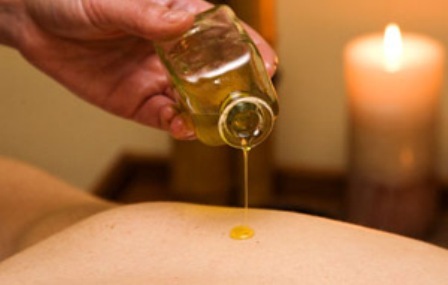
Los masajes con aceite de oliva virgen extra tonifican y reafirman la piel
En la antigüedad, cosmética, higiene y salud iban muy unidas. De hecho, el romano Galeno (siglo II d. C.), a quien se considera padre de la medicina, incluye en alguno de sus tratados médicos tratamientos para la limpieza de la piel a base de agua, cenizas y aceites animales o vegetales como el de aceite de oliva virgen extra. A Galeno se le atribuye la invención de la primera loción hidratante corporal a base de aceite de oliva virgen mezclado con cera y agua.
El arte de fabricar las sustancias cosméticas como los perfumes y aceites pasó de Egipto a Grecia donde se perfeccionó. Hacia el año 2700 a. C. los mayores centros productores de cosmetología se hallaban en Grecia, posteriormente pasaron a situarse en la zona itálica. Griegos y romanos dieron mucha importancia a la belleza corporal. Pasaban largos ratos en los baños públicos y posteriormente tonificaban sus cuerpos con aceites como el de oliva virgen para hidratar la piel y prevenir las irritaciones. También a la hora de practicar ejercicio físico untaban sus cuerpos con aceites para tonificar y proteger el cuerpo de la temperatura y de las caídas.

El aceite de oliva virgen es la base en la preparación de gran cantidad de ungüentos para tratar la dermis
Durante la Edad Media la cultura musulmana continuó desarrollando la cosmética, incluso hay investigadores que atribuyen a esta sociedad la invención del primer jabón a base de aceite de oliva virgen, huesos de animales y hierbas. Poco a poco la cosmética se fue separando de la medicina y se asoció más a las modas. Durante el siglo XIX el centro por excelencia de la cosmética fue París donde se pusieron en marcha experimentos y nuevas creaciones adaptadas a la moda romántica de aquellos años.
En la actualidad la cosmética está muy avanzada y va redescubriendo nuevos compuestos. Es el caso del aceite de oliva virgen que recientemente a pasado de estar en nuestras mesas a convertirse en un producto cosmético de primera calidad. Numerosos estudios e investigaciones han demostrado las útiles aplicaciones que tiene en la terapéutica y la cosmética. Por esto, el uso cosmético del aceite de oliva está en alza y la industria de la belleza a lanzado al mercado decenas de cremas, lociones y ungüentos cuyo principal ingrediente activo es el aceite de oliva virgen.
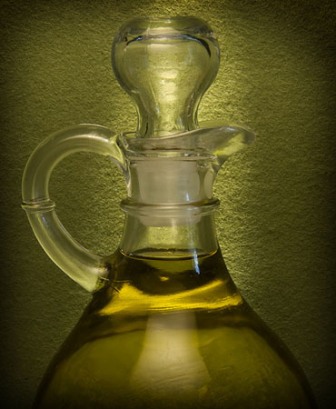
El llamado "oro líquido" posee múltiples virtudes beneficiosas para la piel,
El aceite de oliva virgen extra es rico en propiedades nutritivas y antioxidantes, además posee propiedades protectoras y regeneradoras; algo que hace de él un excelente producto para la piel. El ácido oleico representa más de dos tercios del contenido total del aceite de oliva; estos ácidos grasos contribuyen a mantener la hidratación de la piel y favorecen la conservación de la membrana celular. Asimismo, el aceite de oliva actúa como tonificante y reafirmante sobre la dermis y la protege de los agentes agresivos externos. Se puede aplicar sobre casi cualquier zona de nuestro cuerpo: rostro, manos, cabello… Existen cientos de recetas caseras cuyo ingrediente principal es el aceite de oliva virgen extra y los resultados son realmente buenos. En definitiva puede afirmarse que el aceite de oliva virgen extra, además de ser un producto que nos cuida por dentro también lo hace por fuera, cuidando la belleza de nuestra dermis de forma natural.
PORTAL DEL ACEITE DE OLIVA TIENDA SABOR ARTESANO