
La leche es uno de los alimentos más antiguos conocidos por la humanidad. Desde que el hombre consiguió domesticar animales productores de leche como la oveja o la vaca, este alimento se convirtió en complemento indispensable en la dieta de nuestros antepasados. Pronto aprendieron a elaborar derivados de la leche como el queso. La fecha en la que aparece el queso por primera vez es imposible de determinar. Sí que puede decirse que a partir del año 12.000 a. C. ya se documenta la domesticación de la oveja, por lo tanto, se puede pensar que por lo menos desde esa fecha el ser humano conoce la leche y la consume.

El queso es un alimento muy importante dentro de una dieta equilibrada
Sí que existen documentos en Egipto que atestiguan la presencia del queso. En concreto en Tebas se localiza la tumba de Ipy donde aparecen pinturas que ilustran la fabricación del queso. También en Abydos en la tumba del emperador Aha (hacia el 3000 a. C. aproximadamente) se localizaron unos jarrones de forma cilíndrica que contenían en su interior una sustancia que al ser analizada químicamente se confirmó como queso o mantequilla.
Una antigua leyenda atribuye el descubrimiento del queso a un mercader egipcio según unas versiones; o a un pastor árabe según otras versiones. La cuestión es que fue un hallazgo casual. Aquel hombre se percató de que la leche que transportaba en su odre de piel de cordero quedaba fermentada y coagulada durante sus viajes. Esto se debía a la acción del sol y el calor del desierto, así como a las particulares del recipiente que contenía la leche. Fuese o no de esta manera, el descubrimiento del queso fue uno de los grandes hallazgos alimenticios de la antigüedad.
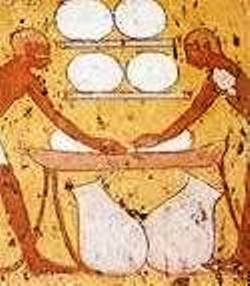
Restos de pinturas procedente de la tumba de Ipy en Egipto que documenta la producción egipcia de queso
El queso es un alimento muy nutritivo que aporta a nuestro organismo sustancias tan esenciales como el calcio y las proteínas. Esto hacía de él un alimento muy útil para los largos viajes que las gentes hacían en la antigüedad. Además es un producto que se conserva muy bien durante bastante tiempo, de hecho, hay variedades de queso que cuanto más tiempo tardan en consumirse adquieren sabores más ricos.
Durante el periodo de la Grecia Antigua el queso sigue consumiéndose. En griego el queso se denomina fornos, hace referencia a la cesta donde se depositaba el queso y se separaba del suero. De esta palabra griega derivan denominaciones del queso en otros idiomas como fromage en francés o formaggio en italiano. Existe una tradición griega que afirma que fueron los dioses del Olimpo quienes enseñaron a los mortales a elaborar el queso. Ciertamente, en Grecia hubo un abundante consumo de queso. Homero en el siglo VIII a. C. se refiere a este alimento en uno de sus textos de la “Odisea” cuando habla del gigante Polifemo ordeñando sus ovejas. De la leche que obtiene deja la mitad para que cuaje y el resto se la bebe. Los griegos añadían especias y frutos al queso para su consumo. Algunos condimentos que empleaban eran las pasas, la harina, las almendras, el aceite de oliva virgen o la miel.
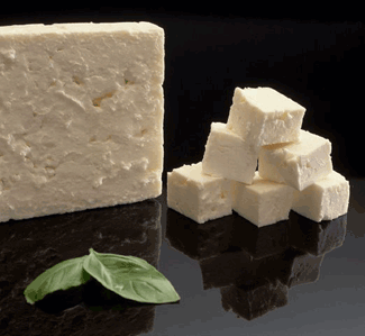
En Grecia se consumía principalmente queso fresco
La cultura romana continuó con la producción de queso. Los romanos eran verdaderos admiradores del queso, sobre todo del queso de cabra. Al igual que los griegos lo acompañaban de piñones, tomillo, pimienta o diferentes frutos secos. La palabra latina con la que se denomina al queso es caseus, de aquí deriva a otros idiomas como el castellano, o al inglés: cheese. Autores como Columela del siglo I d. C. hablan del proceso para fabricar quesos. Asimismo, hay otros escritores como Plinio que hablan de diferentes variedades de quesos que se fabrican en diferentes regiones del Imperio, en concreto este se refiere en sus textos a la calidad de los quesos de la Galia o de la zona de la actual Turquía.
Con la caída del Imperio romano las tradiciones queseras de los pueblos germánicos fueron extendiéndose por Europa. La Edad Media puede considerarse la época de oro de los quesos. En esta etapa en la que las órdenes monásticas y militares se difundían por todo el territorio europeo, el queso fue adquiriendo mucho peso en la dieta. Sobre todo en los días cristianos de cuaresma cuando no se podía consumir carne y proporcionaban las proteínas necesarias al organismo a través de los productos lácteos. Además el que gran parte de la población se dedicase a la actividad ganadera facilitó la producción artesana de quesos.
La llegada de la época renacentista implicó el aumento de la diversidad de quesos. Aparecen variedades como el queso Gruyere que se elabora en la zona de suiza desde el siglo XIV; el queso Cheddar o el queso Parmesano aparecen a lo largo del siglo XVI; el queso Gouda aparece del siglo XVII, mientras que el tipo Camembert se inventa a fines del siglo XVIII. La producción del queso recibió impulso con el desarrollo del comercio internacional; es un momento en que se conquistaron nuevos mercados como el Nuevo Mundo.

La producción de queso artesano alcanzó altas cotas de desarrollo durante la Edad Moderna
Durante el siglo XIX el queso se convierte en un producto gastronómico símbolo de exquisitez y de distinción. Cada región comienza a patrocinar sus propios quesos. Con la llegada del siglo XX y los nuevos métodos químicos y bacteriológicos el sector se industrializó, haciendo posible el aumento de la producción. Así poco a poco el queso a logrado convertirse en uno de los más importantes productos agrícolas a nivel mundial; su consumo se ha extendido y sus diferentes sabores son reconocidos en el mundo entero.