
En la provincia de Teruel, en la comarca del Bajo Aragón, se encuentra la mayor zona productora de aceite de oliva de Aragón. Esta zona se caracteriza por su tierra árida con escasa e irregulares precipitaciones. Sus temperaturas son extremas, consecuencia de la continentalización que produce el relieve que aísla a esta zona de las influencias marítimas, tanto mediterráneas como atlánticas. Además el fuerte viento dominante del nordeste conocido como 'Cierzo' acentúa aún mas la aridez de esta comarca.
Las precipitaciones anuales medias son de 350 mm y la temperatura media anual de 14,8 ºC. Sí a esta climatología se le añaden las técnicas más adecuadas de cultivo del olivo, mantenimiento del suelo, fertilización, poda, control de plagas y enfermedades, complementan un medio adecuado de desarrollo del cultivo del olivar con sus peculiaridades características ligadas a su medio geográfico. Por todo esto, es que el Bajo Aragón Turolense posee una cultura centenaria del aceite de oliva.
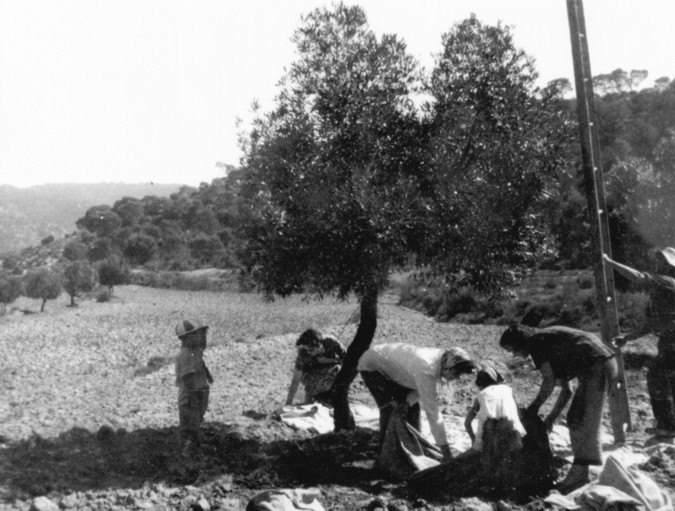
Recolección de aceitunas. De esta forma recogían las aceitunas en la antigüedad.
Desde el 9 de octubre de 2001, el aceite de oliva del Bajo Aragón esta dentro de la Denominaciones de Origen protegidas e Indicaciones Geográficas, protegidas por la comisión Europea. Este Aceite de oliva del Bajo Aragón, es un aceite de oliva virgen extra procedente de aceitunas de las variedades Empeltre, Arbequina y Royal, cuyo cultivo, procesado, envasado y comercialización se realiza en esta comarca Aragonesa.
La DO aceite de oliva del Bajo Aragón, esta ubicada en el nordeste de la provincia de Teruel y el sudeste de la provincia de Zaragoza, El área de cultivo del olivo se encuentra ubicada en los valles fluviales de los ríos Aguasvivas, Martín, Regallo, Guadalope y Matarraña que drenan la zona conocida como Bajo Aragón y desemboca en el Ebro. Este ámbito geográfico pasa por ser una de las zonas más importantes en la zona norte de España en la producción del aceite de oliva. Ocupa una superficie cultivada de 15.000 hectáreas, con una densidad media de 70 olivos/ha. hay que señalar que en los olivares más antiguos la densidad está entre los 60 y 80 árboles por Ha. La densidad más usual es de 100 árboles por Ha. Aunque hay veces que llega a los 200 árboles por Ha.
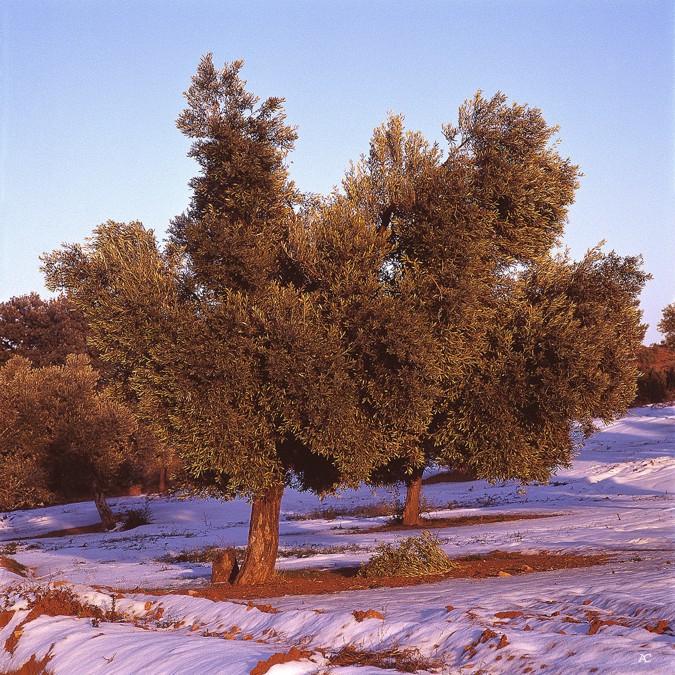
El cultivo del olivo está muy extendido en la provincia de Teruel, sobre todo en el Bajo Aragón.
En el Bajo Aragón los principales términos productores de Aceite de Oliva son Andorra, La Codoñera, Calaceite, Castelserás, Torrecilla de Alcañiz, Alcorisa, Valdeltormo , Valdeagorfa y Calanda , con una producción aproximada de 4300 Toneladas de aceite, Belchite y Maella producen alrededor de 1200 Toneladas.
La creación de la DO de aceite de oliva del Bajo Aragón, constituye un reconocimiento oficial sobre la calidad de este magnifico producto aragonés, así como un importantísimo punto de partida a partir del cual ir trabajando día a día en mejorar y regular, la calidad, promoción y venta de este extraordinario aceite. Las características que diferencian y hacen único el Aceite de oliva del Bajo Aragón, con respecto a las diversas denominaciones del aceite de oliva que existen en España son su aspecto limpio, sin indicios de turbiedad o suciedad, su color amarillo cuyos matices van en la gama desde el amarillo dorado al oro viejo y sabor suave, fluido, muy agradable en boca, con sabor afrutado, que recuerda la suave fragancia del olivo
El aceite elaborado bajo la DO Bajo Aragón, posee un 80% como mínimo de aceituna de la variedad Empeltre y un 20% nunca superable de las variedades Arbequina y Royal. Al utilizar un alto porcentaje de la variedad Empeltre, variedad autóctona de la comarca del Bajo Aragón de Teruel, está variedad produce unos aceites muy suaves, densos, de baja acidez, color amarillo vivo y sabores intensos con matices a almendra y manzana.

Aceite de oliva Bajo la denominación de origen del Bajo Aragón, es un aceite con unas características organolépticas excepcionales
El aceite de oliva virgen extra de la DO Bajo Aragón, tiene una puntuación mínima del panel de cata de 6'5, y una acidez máxima (% ácido oleico): 1'00. El consumidor debe saber que el grado de acidez no tiene ninguna incidencia en el sabor del aceite de oliva, ya que muestra cuál es el porcentaje de ácido oléico libre y lo único que revela es que, cuando el aceite se deteriore, aparecerán antes las manifestaciones de enranciamiento, pero nunca determinará la calidad de un aceite de oliva virgen. La mejor forma de conservación de este extraordinario aceite es el mantenerlo en lugar seco y alejado del calor. Se debe evitar su exposición prolongada a la luz y el aire, que pueden oxidarlo y arranciarlo.
El distintivo de un aceite de oliva virgen extra del Bajo Aragón es la contra-etiqueta que aparece en el envase con el emblema del Consejo Regulador, que certifica que ha pasado todos los controles de calidad y tiene las siguientes características:
La Contraetiqueta que debe tener el aceite de oliva de la DO del Bajo Aragón
Las características que tiene el aceite de oliva del Bajo Aragón son:
* Situación: Aragón
* Producción de aceite: Entre 7,8 y 8,3 millones kg./año
* Variedad: Empeltre (mínimo un 80%), Arbequina y Royal
* Color: Varia de amarillo dorado a amarillo oro viejo
* Aroma y sabor: Aceites con gusto frutado al principio de la campaña, con ligeros sabores almendrados, sin amargor, tirando a dulce y un poco picantes.
* Aspecto: limpio, sin velos, turbiedad o suciedad.
Siendo conscientes de la calidad de los aceites de oliva de la zona y por la demanda del sector de acceder a los mercados minoristas con productos de calidad y correcta presentación que exige la garantía al consumidor del producto que se pretende ofertar, se propuso constituir un panel de catadores de aceite de oliva virgen del Bajo Aragón, que ha tenido apoyo de todos los sectores implicados. Además el aceite de oliva del Bajo Aragón es un aceite donde innumerables publicaciones y notas de prensa lo mencionan, como muestra de ello, resaltaremos:
Mario Gaviria, en su libro " El Bajo Aragón expoliado", afirma que, en 1901, se produjeron en el Bajo Aragón 30 millones de kilos de aceite y que en Calaceite había 34 fábricas. Sin embargo, las adversidades climáticas y los bajos precios de la aceituna determinaron la caída de la producción hasta hoy.
En un reciente suplemento del periódico El País, en la sección “Saber vivir” aparece: “Alcañiz: Capital Turolense de la comarca del Bajo Aragón, una de las principales zonas productoras de aceite de oliva del norte de la Península Ibérica con tradición y nombre en sus aceites desde hace siglos elaborados fundamentalmente con la variedad empeltre.”